
Explore the Future of Culinary Art
Molecular Gastronomy: Where Science Meets Flavor
Discover the innovative world of molecular gastronomy, where cutting-edge techniques transform traditional cooking into a sensory experience.
Innovative Techniques
These techniques not only change the way food is presented but also how it interacts with the senses, pushing the boundaries of traditional cooking to create new culinary experiences.
Sensory Experiences
Molecular cuisine employs a variety of innovative techniques that manipulate the physical and chemical properties of ingredients to create new textures, flavors, and presentations.
Technique Insights
Here are some of the key techniques used in molecular cuisine:
Molecular Cuisine Techniques
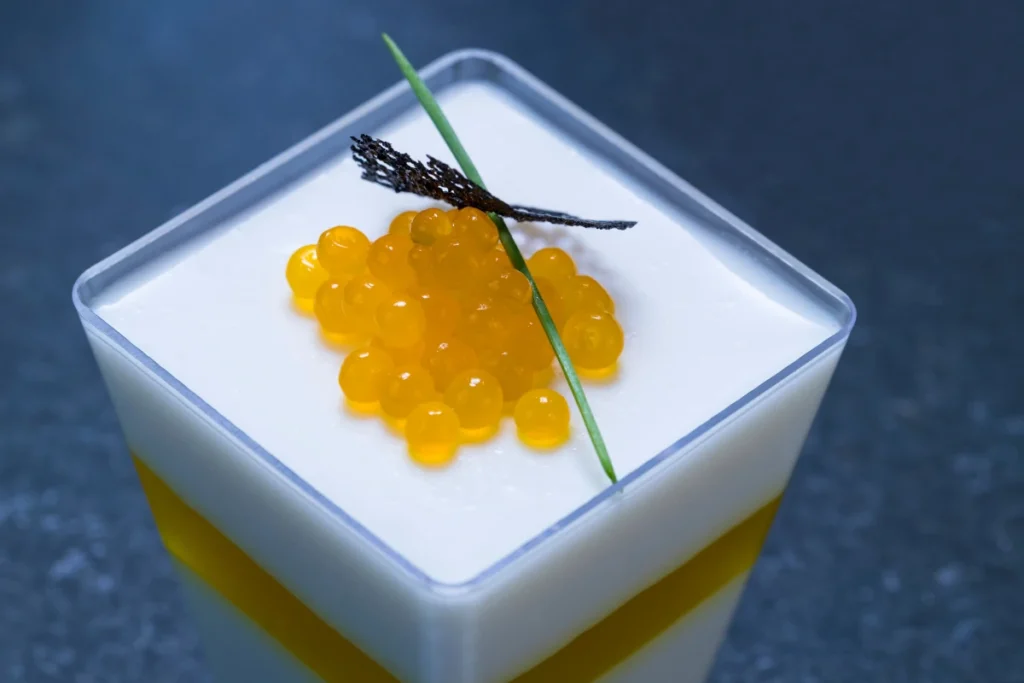
Spherification
- What it is: Spherification involves creating small, gel-like spheres from liquids that burst in the mouth when eaten, mimicking the experience of caviar or pearls.
- How it works: A liquid (like fruit juice or broth) is mixed with a gelling agent (like sodium alginate) and dropped into a calcium bath. The calcium reacts with the alginate, forming a thin gel shell around the liquid, creating a “sphere.”
- Example: A popular dish might be “caviar” made from fruit juice, which bursts with flavor when eaten.
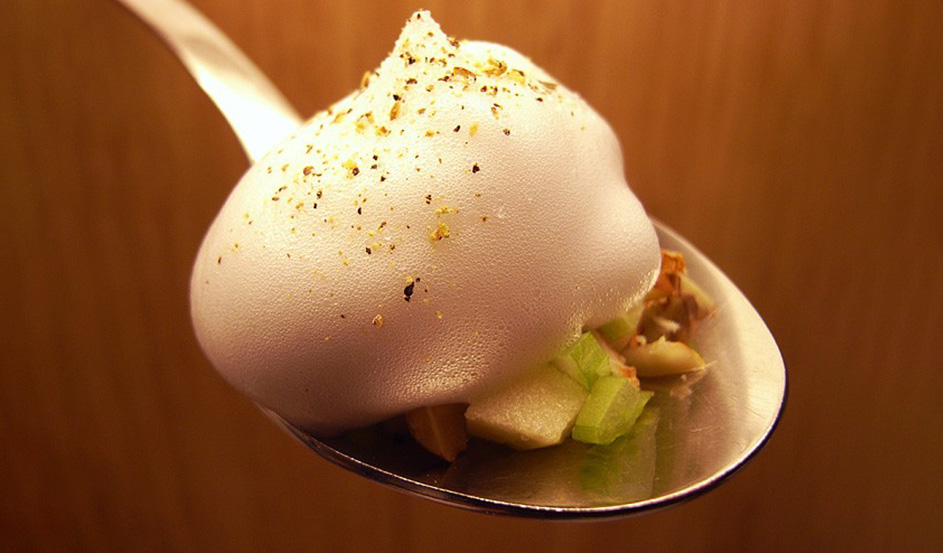
Foaming
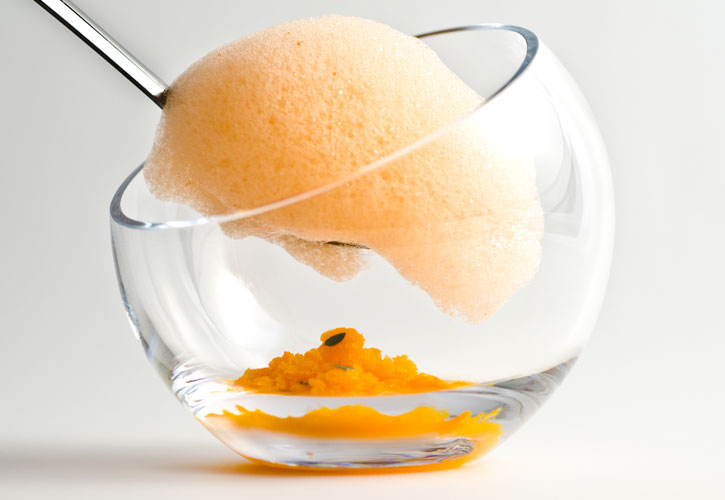
- What it is: Foaming transforms liquids into airy, fluffy foams or mousses that concentrate the flavor and offer a different texture.
- How it works: A liquid is blended with a foaming agent (like lecithin or gelatin) and then aerated using a whisk, immersion blender, or a siphon (a whipped cream dispenser).
- Example: Foamed citrus juice as a garnish for a dish, or a savory foam made from olive oil or broth.
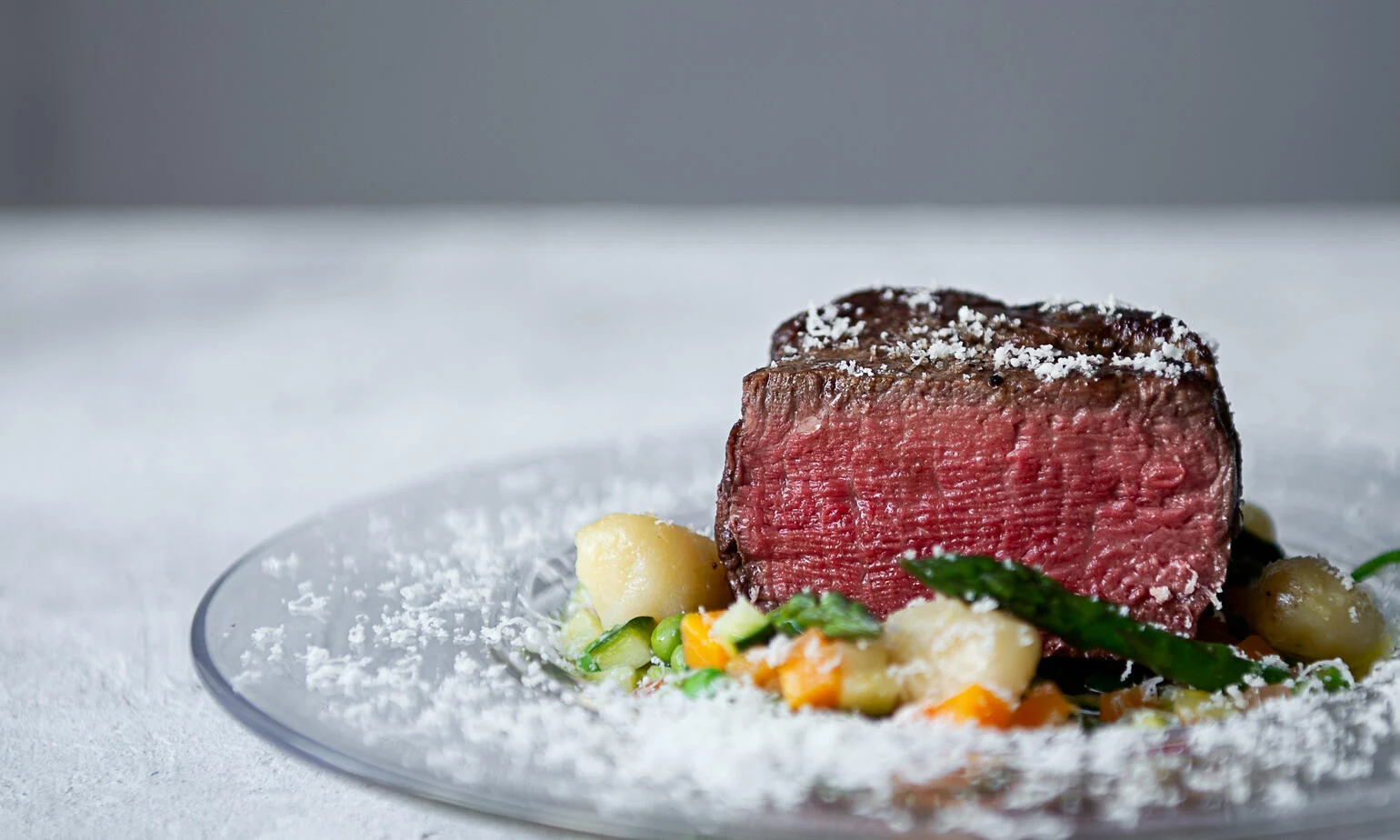
Sous-Vide
- What it is: Sous-vide (French for “under vacuum”) involves cooking food slowly in a vacuum-sealed bag at a precise, low temperature in water.
- How it works: The food is placed in a vacuum-sealed bag and submerged in a water bath, where it is cooked at a consistent temperature for an extended period (usually several hours).
- Example: Cooking steak at 54°C (129°F) for several hours results in perfectly cooked meat throughout, without overcooking the edges.
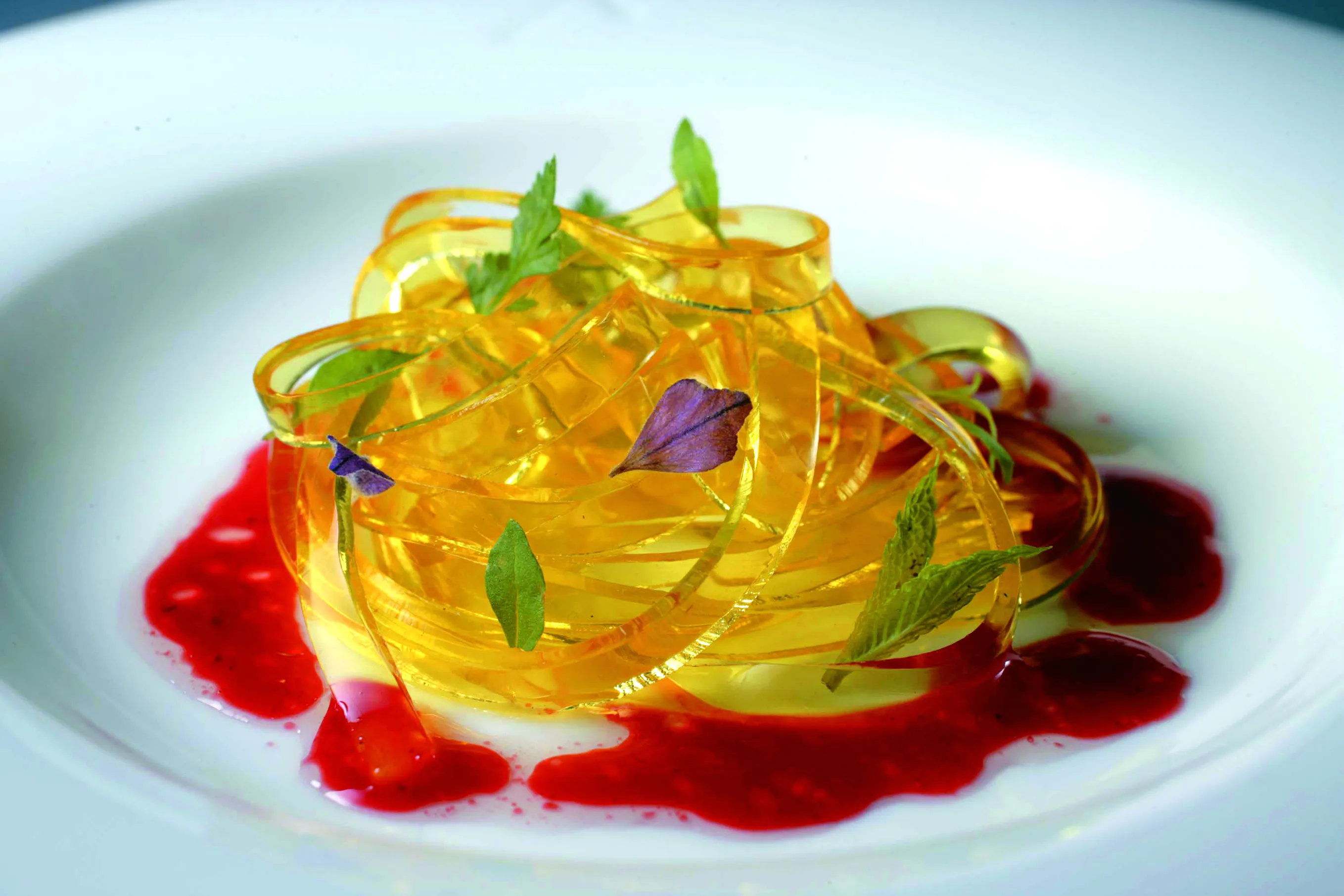
Gelification
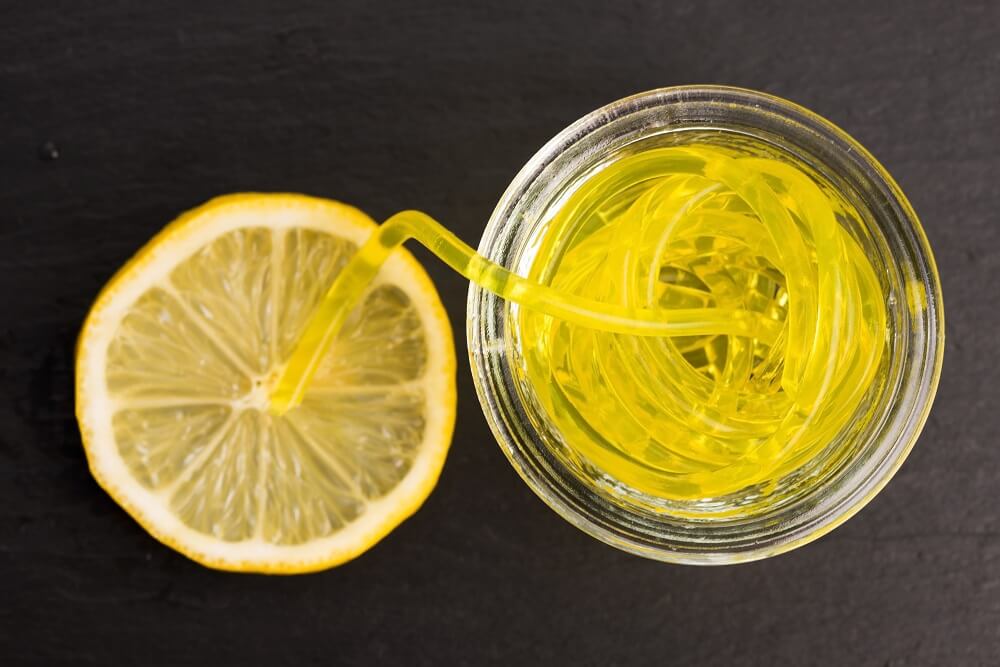
- What it is: Gelification uses gelling agents to transform liquids into a solid, gelatinous form, often used to create a “jelly” or other solidified textures.
- How it works: Ingredients like agar-agar (from seaweed), gelatin, or xanthan gum are added to liquids, which are then chilled or left to set, forming a gel-like texture.
- Example: Transforming fruit juice into a jelly or using agar to create a “pasta” made from liquid ingredients.
Centrifugation
- What it is: Centrifugation separates different components of a mixture by spinning it at high speeds, which causes denser particles to move outward, leaving clear liquids or distinct layers.
- How it works: A centrifuge spins the mixture, forcing heavier solids to the bottom, creating clear liquids and concentrated flavors. This technique is often used to clarify juices or extract specific components.
- Example: Extracting the pure essence of fruit or herbs to make clear “juices” or flavor concentrates.
Liquid Nitrogen
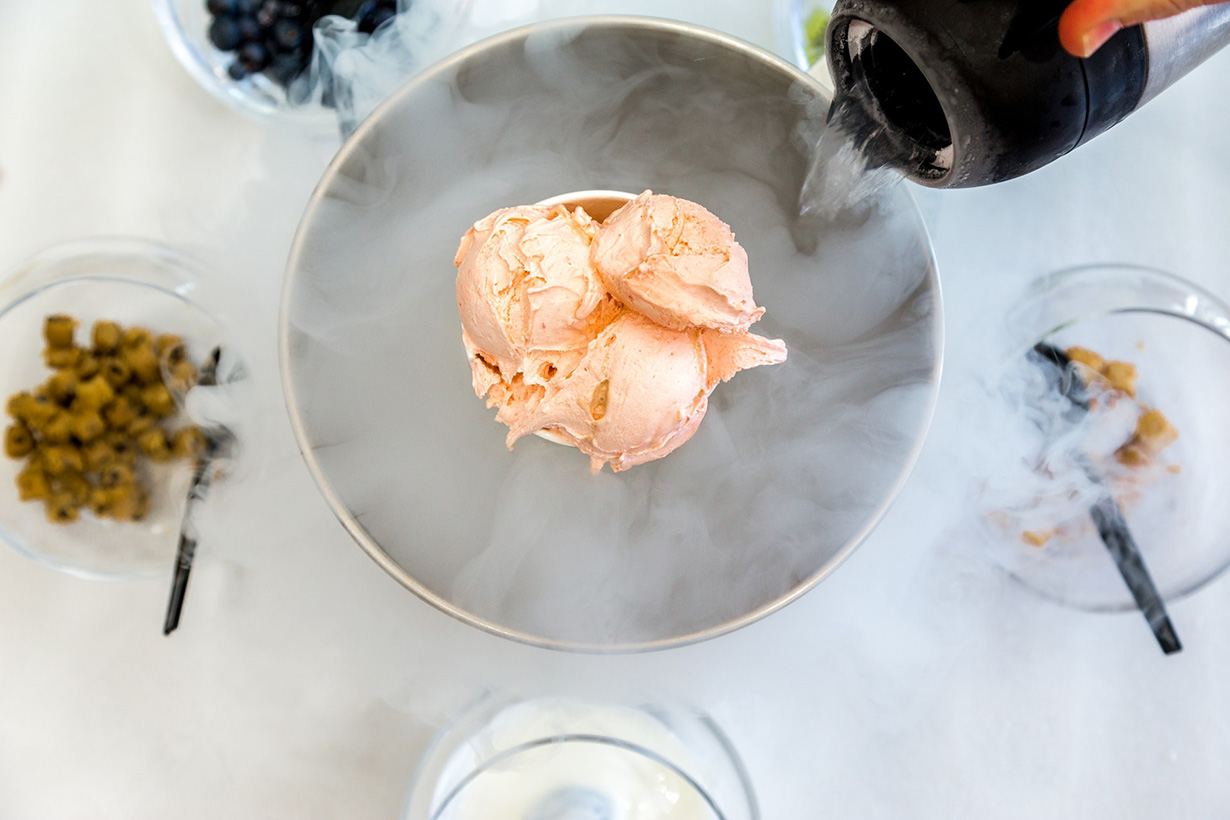
- What it is: Liquid nitrogen is used for rapid freezing or flash freezing, instantly solidifying liquids or soft foods.
- How it works: Liquid nitrogen (at -196°C) freezes foods instantly, allowing for new textures like frozen foams or crispy granules, and it can also be used for dramatic presentations (such as creating a fog of vapor).
- Example: Frozen ice cream or sorbet made from liquid nitrogen, creating an ultra-smooth texture.
Emulsification
- What it is: Emulsification is the process of combining two immiscible liquids (like oil and water) into a stable mixture, creating creamy or foamy textures.
- How it works: Emulsifiers like lecithin, egg yolks, or mustard are added to help the liquids combine. The mixture is then vigorously whisked or blended.
- Example: Making a savory foam from oil or broth, or creating a smooth vinaigrette.
Dehydration
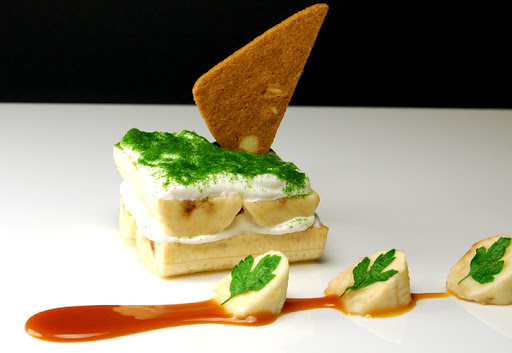
- What it is: Dehydration removes water from ingredients, concentrating flavors and creating new textures.
- How it works: Using a dehydrator, oven, or even freeze-drying equipment, moisture is removed from food, turning it into powder, chips, or crisp-textured components.
- Example: Creating vegetable crisps or fruit powders, which can be used as toppings or flavorings in dishes.
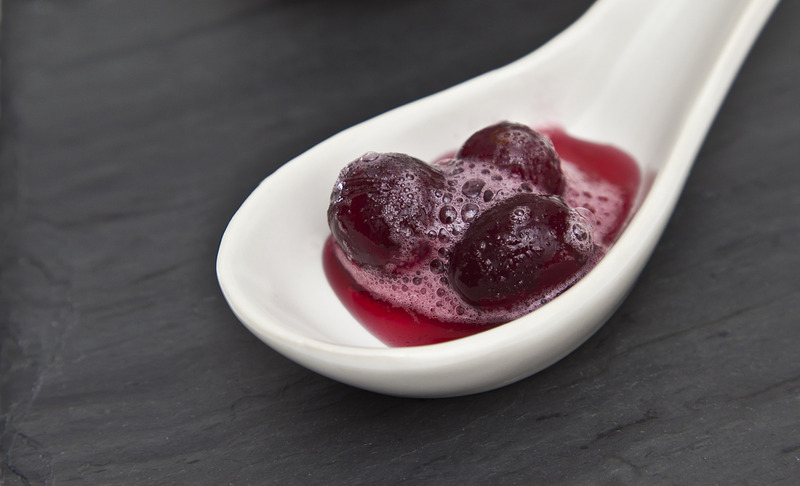
Carbonation
- What it is: Carbonation is the process of infusing liquids with carbon dioxide to create effervescence and a light, fizzy texture.
- How it works: A soda siphon or CO2 charger is used to carbonate liquids, giving them a fizzy, refreshing quality.
- Example: Carbonated fruit juices or cocktails, which add a surprising element to the dish.
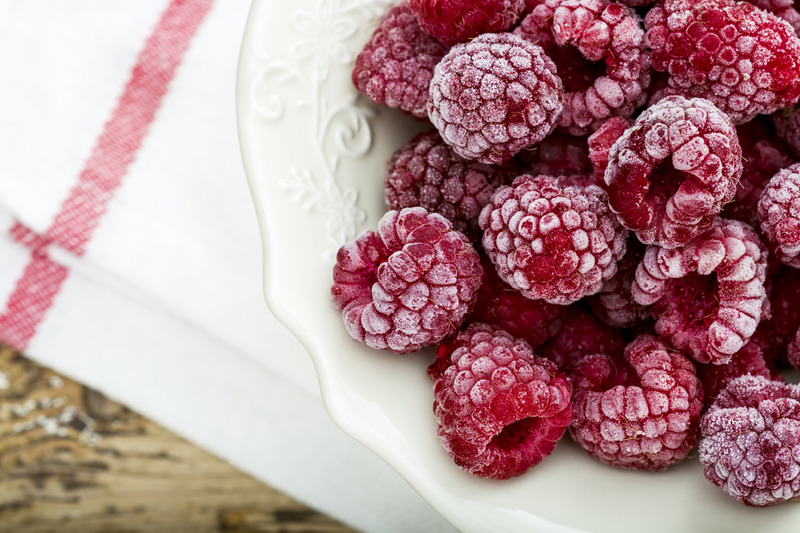
Flash Freezing
- What it is: Flash freezing uses extremely low temperatures to instantly freeze ingredients, creating unique textures and preserving freshness.
- How it works: Typically, liquid nitrogen or extremely cold freezers are used to freeze ingredients almost instantaneously, preserving flavor and creating textures like brittle or crispy ice.
- Example: Flash-frozen herbs or fruits that crackle when eaten.
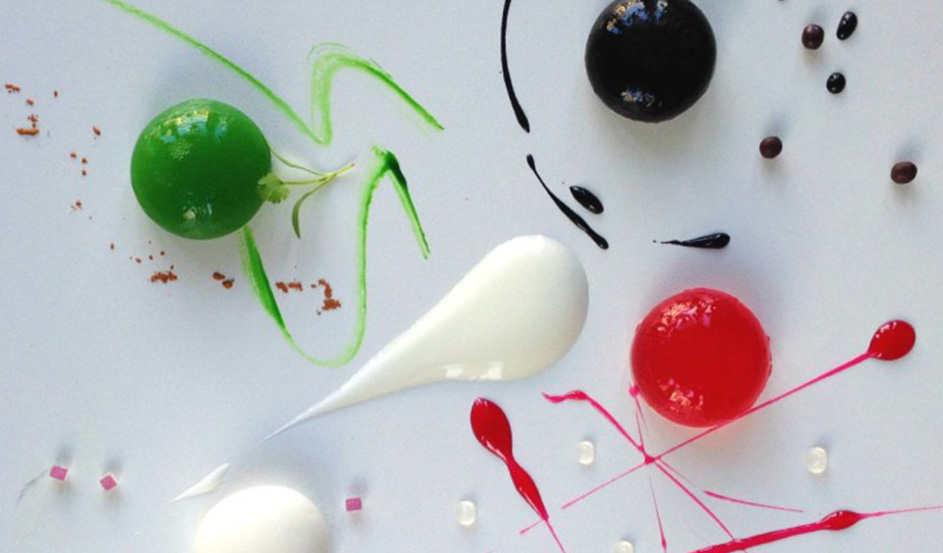
Reverse Spherification
- What it is: A variation of spherification that creates a liquid core within a gel-like shell, where the outer layer is made from calcium while the interior remains liquid.
- How it works: A calcium solution is mixed with a liquid (like fruit juice), which is then dropped into a bath of sodium alginate. The reaction forms a thin gel shell around the liquid core.
- Example: A “liquid olive” that bursts with olive oil when bitten.
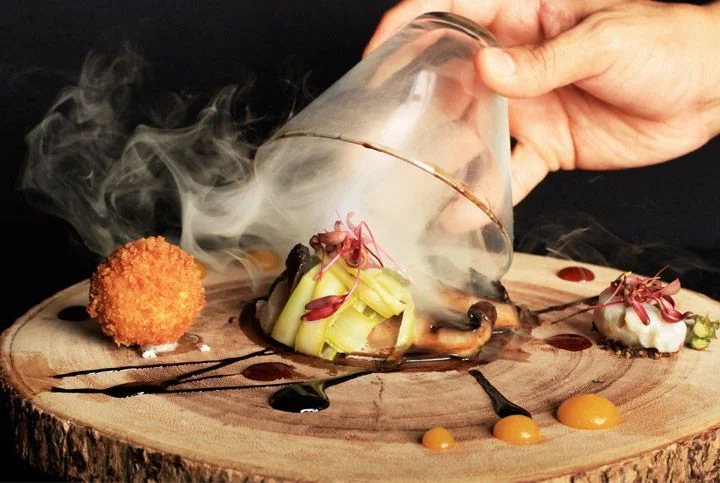
Smoking and Infusing
- What it is: Smoking or infusing adds smoky or aromatic flavors to dishes using wood chips, herbs, or other materials.
- How it works: Smoke is either injected into food using a smoking gun or infused into liquids to enhance flavor. Some chefs use controlled environments to infuse flavors using cold or hot smoke.
- Example: Smoking a piece of salmon with applewood chips or infusing a drink with rosemary smoke.

Funded by the European Union. Views and opinions expressed are however those of the author(s) only and do not necessarily reflect those of the European Union or the European Education and Culture Executive Agency (EACEA). Neither the European Union nor EACEA can be held responsible for them.