
Explore the Future of Culinary Art
Molecular Gastronomy: The Trends
Discover the innovative world of molecular gastronomy, where cutting-edge techniques transform traditional cooking into a sensory experience.
Early movements
While molecular cuisine was once considered a niche or avant-garde style, its influence has since become more widespread, inspiring new approaches to cooking in both professional kitchens and home cooking.
Move forward
Molecular cuisine emphasize not just the innovation of food textures and flavors, but also a broader focus on sustainability, personalization, and creating immersive, multi-sensory dining experiences.
Current trends
Recent trends in molecular cuisine are continuing to evolve, blending science with art while exploring sustainability, health-consciousness, and cross-cultural influences. Some of the key trends in molecular cuisine today include:
Molecular Gastronomy Trends

Sustainability and Ethical Sourcing
- Trend: As sustainability becomes more of a priority, molecular chefs are looking for ways to reduce food waste, use eco-friendly ingredients, and incorporate local, seasonal, and plant-based ingredients.
- Examples: Using leftover or overlooked parts of fruits and vegetables (like peels or stems) to create flavorful gels, foams, or powders. Chefs are also experimenting with seaweed, algae, and other sustainable ingredients that are nutrient-rich and environmentally friendly.
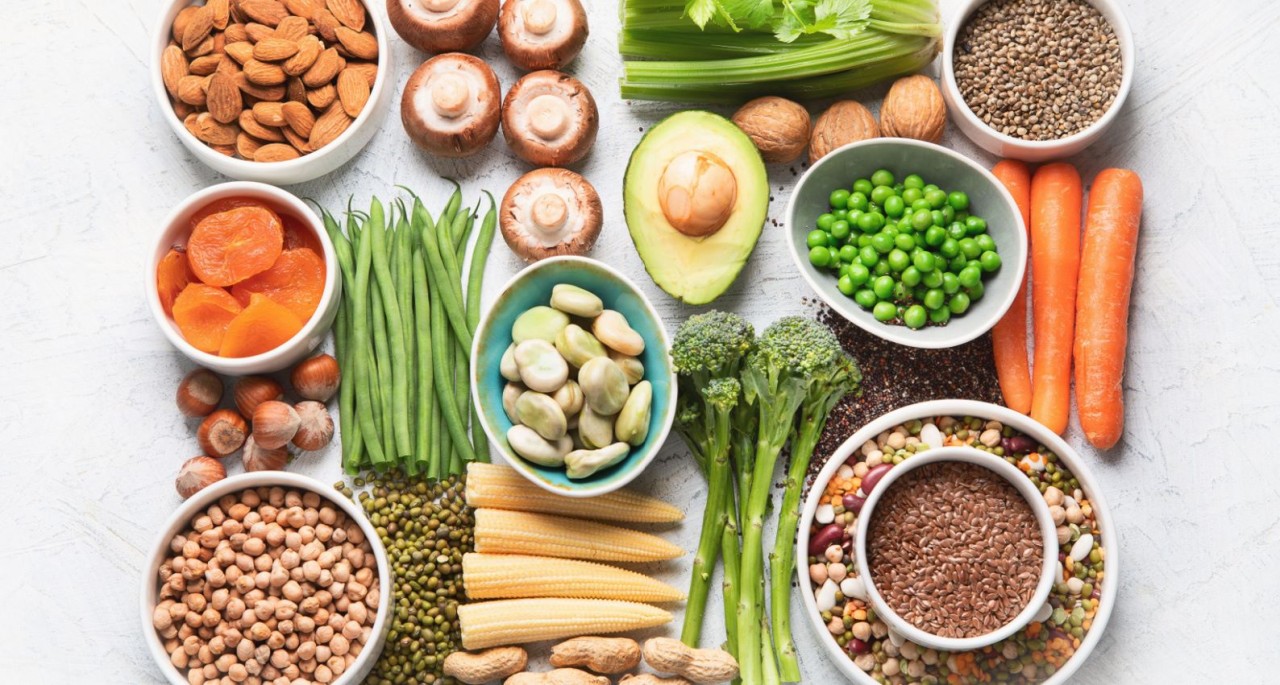
Plant-Based and Alternative Proteins
- Trend: The rise in plant-based eating is influencing molecular cuisine, with chefs increasingly focusing on creating plant-based versions of classic dishes using innovative techniques.
- Examples: Recreating meat textures from plant-based ingredients like mushrooms, lentils, or soy using sous-vide, gelification, or other molecular techniques. This includes things like plant-based foams, spherification, or “meat” made from algae or seaweed.
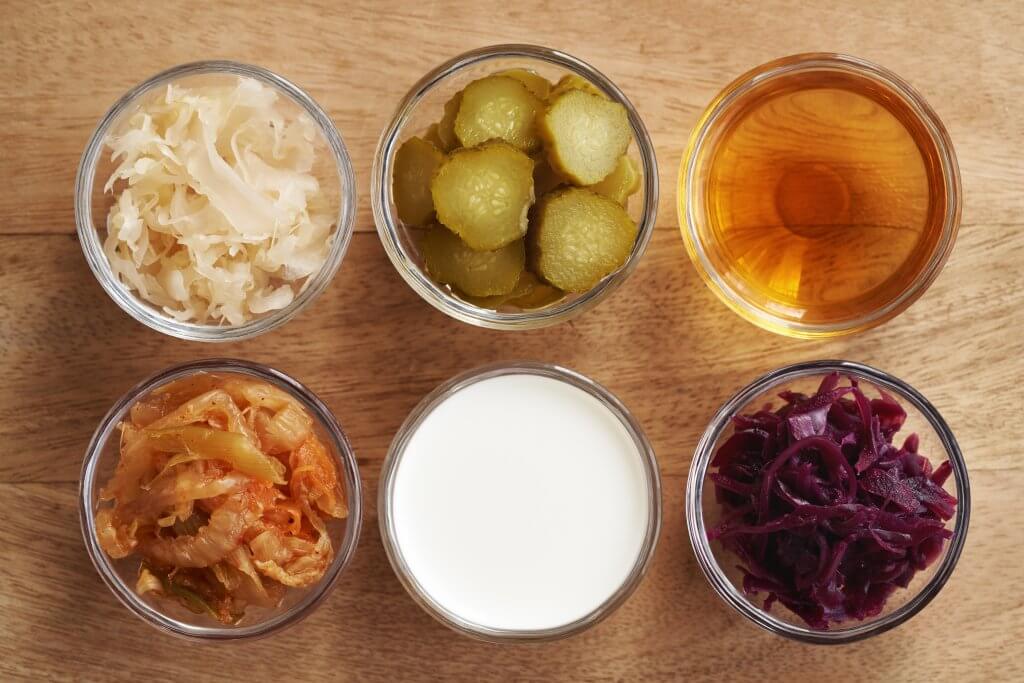
Fermentation and Probiotic-Inspired Dishes
- Trend: Fermentation is being integrated into molecular cuisine for its health benefits (like probiotics) and its ability to create complex, layered flavors. This trend also explores traditional fermentation methods combined with molecular techniques.
- Examples: Creating fermented foams, sauces, or pickles using techniques like spherification to capture the essence of fermented foods in new textures. Some chefs are also incorporating probiotic-rich ingredients like kefir, kombucha, or miso into their dishes.
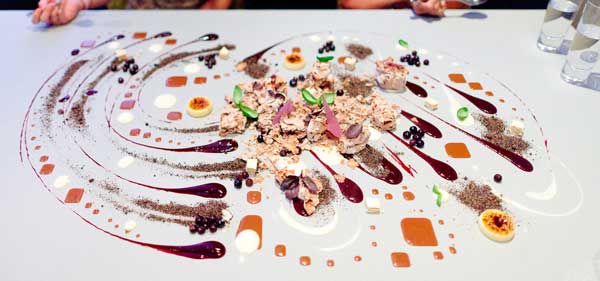
Sensory and Immersive Experiences
- Trend: Chefs are continuing to push the boundaries of how food engages all the senses, offering immersive dining experiences where sound, sight, smell, and touch are just as important as taste.
- Examples: Multi-sensory dishes where the aroma of a dish is heightened by releasing it into the dining space using smoke, scent diffusers, or even through soundscapes (using speakers that play complementary sounds). Textures are becoming increasingly important, like dishes that change as you eat them, with foams that dissolve or gels that melt.
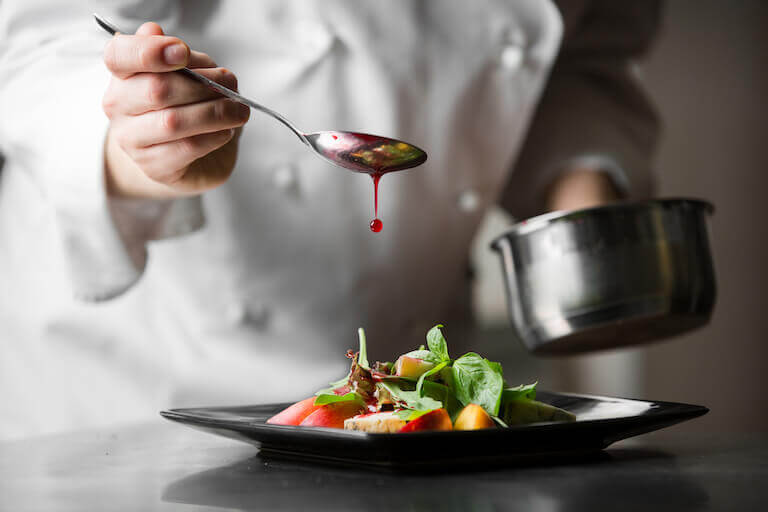
Cross-Cultural Fusion
- Trend: Molecular cuisine is increasingly blending ingredients and techniques from different cultures, bringing global flavors and cooking traditions together in unexpected ways.
- Examples: Traditional Asian techniques like fermenting, pickling, and steaming combined with molecular techniques to create dishes like sushi made from foamed or gelled liquids, or using spherification to mimic the texture of miso soup.
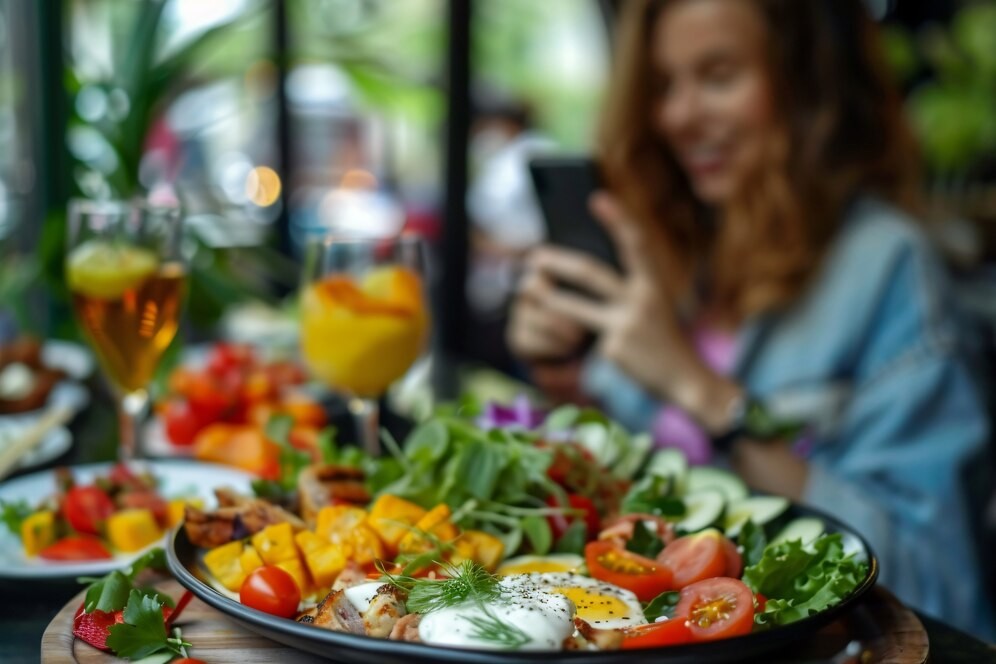
Health-Conscious and Nutritional Innovation
- Trend: With a growing focus on wellness, chefs are creating molecular dishes that are not only visually stunning but also nutritionally rich and health-conscious.
- Examples: Using low-calorie or nutrient-dense ingredients, such as spirulina, chia seeds, or seaweed, in new molecular formats like foams, gels, or powders that retain their nutrients. There’s also an emphasis on reducing sugar or salt in recipes without compromising on flavor, achieved through fermentation or flavor-enhancing techniques like umami.
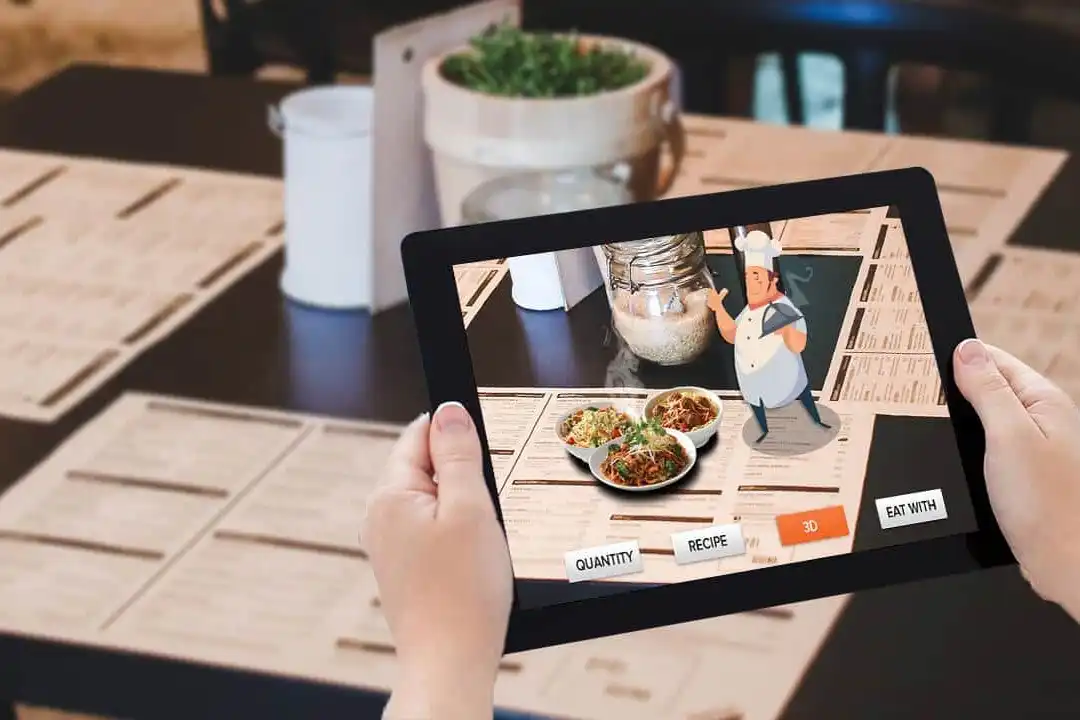
Interactive Dining and Customization
- Trend: In response to the rise of experiential dining, some molecular chefs are developing interactive dishes where diners can play an active role in creating or finishing their meals at the table.
- Examples: Dishes that involve elements like self-spherification (where diners add a liquid to a calcium bath at their table), or foam and smoke that diners can manipulate themselves for a more personal connection to the dish. Some restaurants also offer “DIY” kits with molecular ingredients for home use.
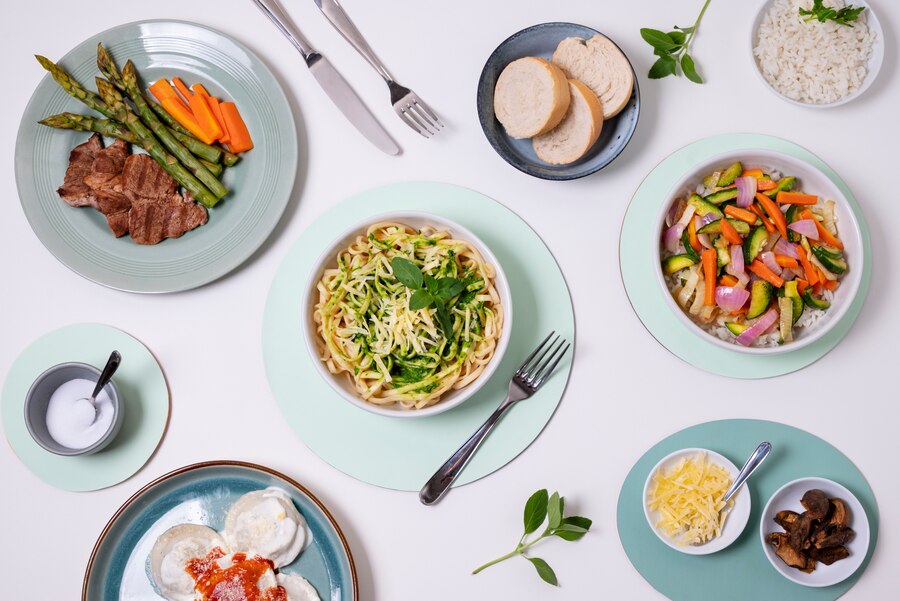
Reviving Classic Techniques with Modern Twists
- Trend: There’s been a movement toward reimagining traditional dishes and cooking methods using molecular techniques to update and enhance them.
- Examples: Revisiting old-world techniques like braising or sous-vide cooking, but adding molecular twists such as using spherification to create “pasta” from liquids, or using foaming to add an ethereal quality to classic dishes like béarnaise sauce or tomato soup.
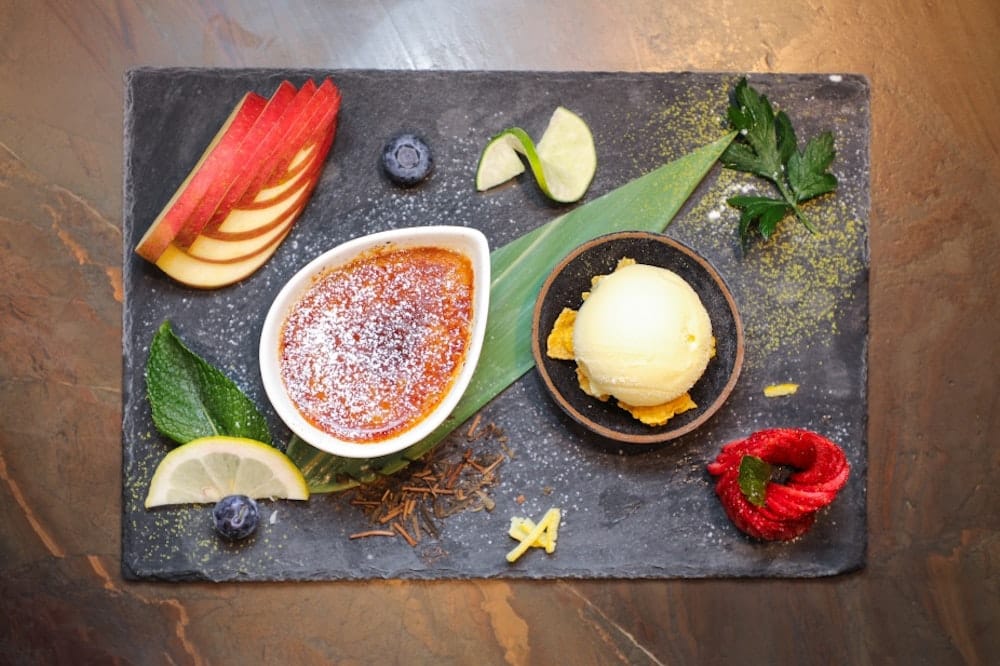
Minimalist and Elegant Plating
- Trend: Molecular cuisine has always been visually stunning, and today’s trends push for even more minimalistic, artful presentations that highlight the textures and transformations of ingredients.
- Examples: Dishes that look like abstract art, with carefully placed droplets of foams, gels, and powders arranged on pristine plates. Some restaurants use clear glass domes, transparent plates, or edible “paint” to heighten the sense of creativity and elegance.
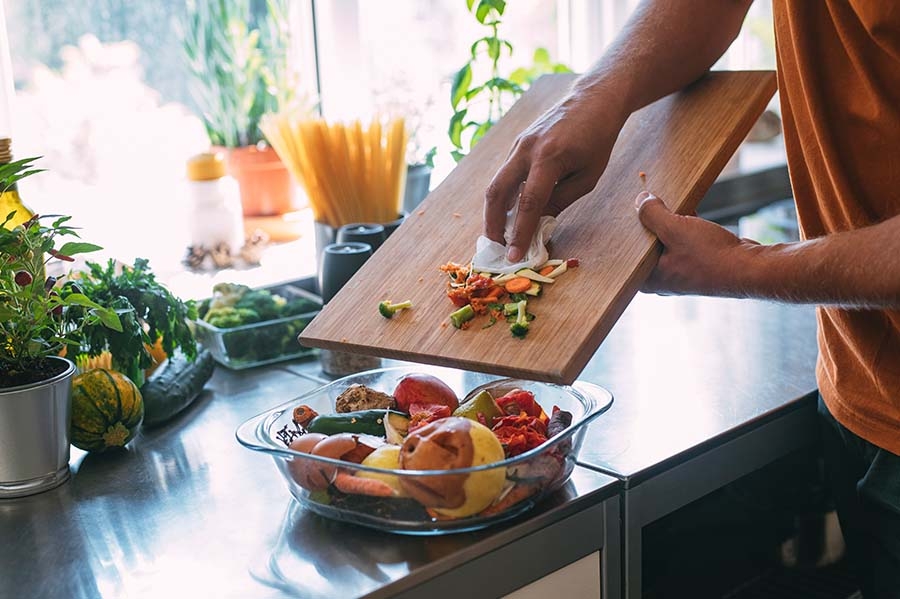
Zero-Waste Cooking
- Trend: As sustainability becomes a stronger focus in culinary trends, zero-waste molecular cuisine is emerging as a way to use every part of an ingredient creatively.
- Examples: Using citrus peels for flavoring or turning bones into broths and then into sauces or emulsions. Some chefs even use food scraps (like vegetable stems, leaves, and offcuts) in ways that surprise diners—like creating unexpected powders, chips, or flavor concentrates.
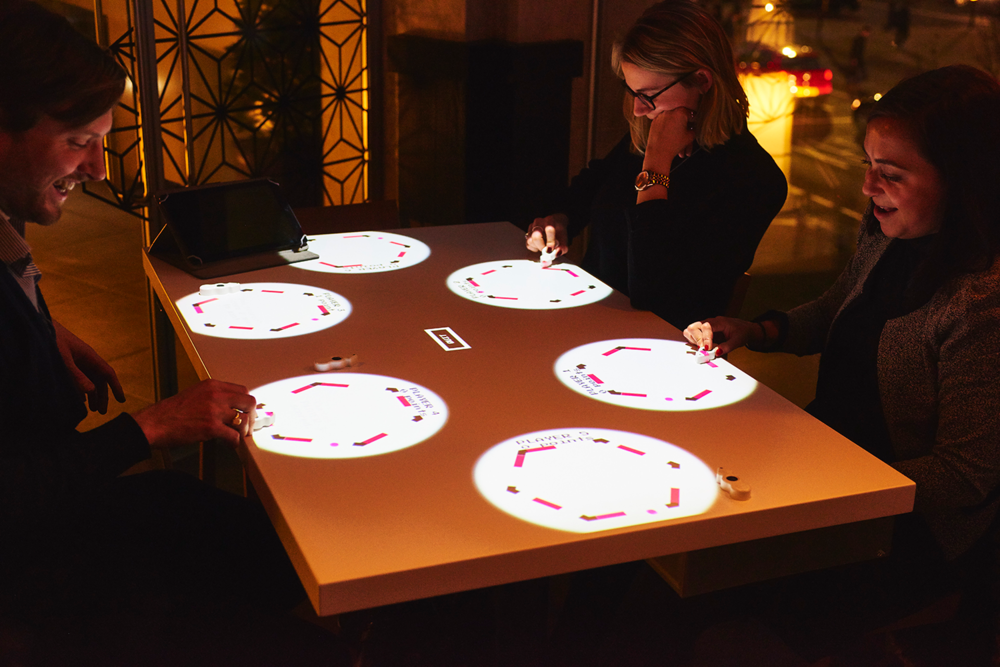
Augmented Reality (AR) and Virtual Reality (VR) in Dining
- Trend: Though still in its infancy, some high-end molecular restaurants are incorporating AR and VR into their dining experiences, enhancing the visual and sensory engagement with food.
- Examples: Using AR to make dishes appear differently or create virtual “environments” around the meal that change how the food is experienced. VR may accompany the dining experience to evoke a sense of place or storytelling that aligns with the dish.
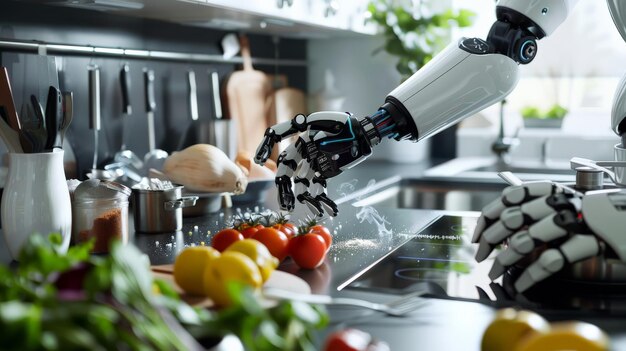
Integration of Technology and AI
- Trend: Some molecular chefs are experimenting with AI-driven cooking methods, where machines analyze flavors, ingredients, and cooking processes to create new recipes or suggest flavor pairings.
- Examples: AI-generated flavor combinations or robotic kitchen assistants that help with precise cooking techniques like sous-vide or emulsification. Restaurants are even exploring the idea of fully automated kitchens using AI to create personalized, optimized dining experiences.

Funded by the European Union. Views and opinions expressed are however those of the author(s) only and do not necessarily reflect those of the European Union or the European Education and Culture Executive Agency (EACEA). Neither the European Union nor EACEA can be held responsible for them.